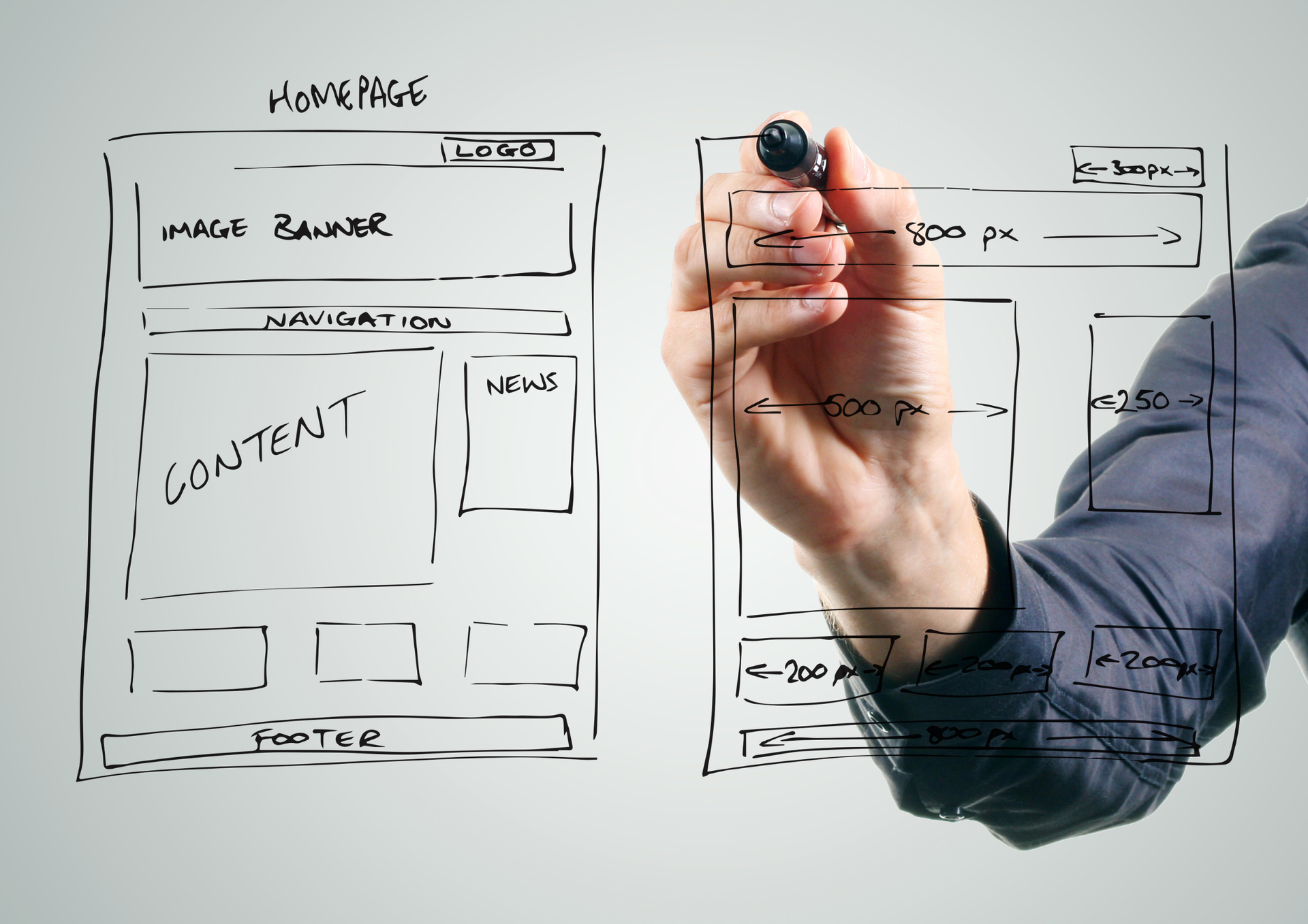
Choosing the right website partner is an important decision for any business. A website often provides one of the first meaningful interactions potential customers have with a brand, influencing how they perceive its credibility, professionalism, and relevance. For businesses in Burnley, choosing the right provider means considering far more than visual appearance or the initial project price.
Professional web design in Burnley should combine attractive presentation with usability, technical reliability, scalability, and a clear understanding of business objectives. Homeware brands may need carefully organised product collections, health and wellness businesses may prioritise bookings and trust, while retailers could require smooth shopping journeys and straightforward product discovery.
The right solution should reflect how a business operates today while providing enough flexibility to accommodate future growth.
Understanding what to assess before choosing a provider can therefore help businesses avoid unsuitable short-term solutions and make a more informed investment.
This guide explores five important areas to consider when selecting a website partner in Burnley, from understanding business requirements to evaluating long-term support and scalability.
Start by Defining What Your Business Actually Needs
Before comparing providers, businesses should establish what they expect their website to accomplish. Without clear objectives, it becomes difficult to determine whether a proposed solution genuinely suits the organisation.
Some businesses primarily need to generate enquiries, while others require online sales, appointment bookings, product catalogues, educational resources, or combinations of several functions. Identifying the primary purpose helps shape decisions around structure, content, functionality, and calls to action.
The target audience should also influence planning. A health and wellness business may need a calm, reassuring interface that makes appointments straightforward, while a homeware brand might rely more heavily on high-quality imagery and carefully organised product categories. Retail businesses may prioritise product discovery, checkout simplicity, and mobile usability.
Businesses should also consider how frequently content will change. If products, services, offers, or resources need regular updates, the underlying system should make routine management straightforward. A website that is difficult to update can quickly become outdated and create unnecessary administrative work.
When comparing web design burnley options, businesses should therefore look for providers that begin by understanding commercial requirements rather than immediately recommending layouts, features, or platforms.
Clear objectives provide a foundation for the entire project and make it easier to evaluate whether proposed solutions offer genuine business value.
Assess Experience, Process, and Communication
Technical capability matters, but the way a provider manages a project can be equally important. Website projects involve multiple decisions around content, structure, branding, functionality, and technical implementation. Clear communication helps keep these elements aligned.
When evaluating potential providers, businesses can consider several practical areas:
- Relevant experience: Review previous work to determine whether the provider can create professional websites suitable for different businesses and audiences.
- Discovery process: A dependable provider should take time to understand objectives, customers, existing challenges, and future plans before beginning the build.
- Clear project scope: Deliverables, responsibilities, revisions, and expected stages should be explained clearly so both parties understand what the project includes.
- Communication: Businesses should know how progress will be shared, who they will communicate with, and how questions or changes will be handled.
- Transparent recommendations: Technical or creative decisions should have understandable reasoning behind them rather than relying on jargon.
- Testing procedures: Ask how the website will be checked across browsers, screen sizes, forms, links, and other important functionality before launch.
Working with a web designer burnley businesses can communicate with confidently can make the process considerably easier. Good communication also helps ensure that the finished website reflects genuine business requirements rather than assumptions made during development.
A structured process provides reassurance throughout the project and reduces the likelihood of unexpected problems appearing close to launch.
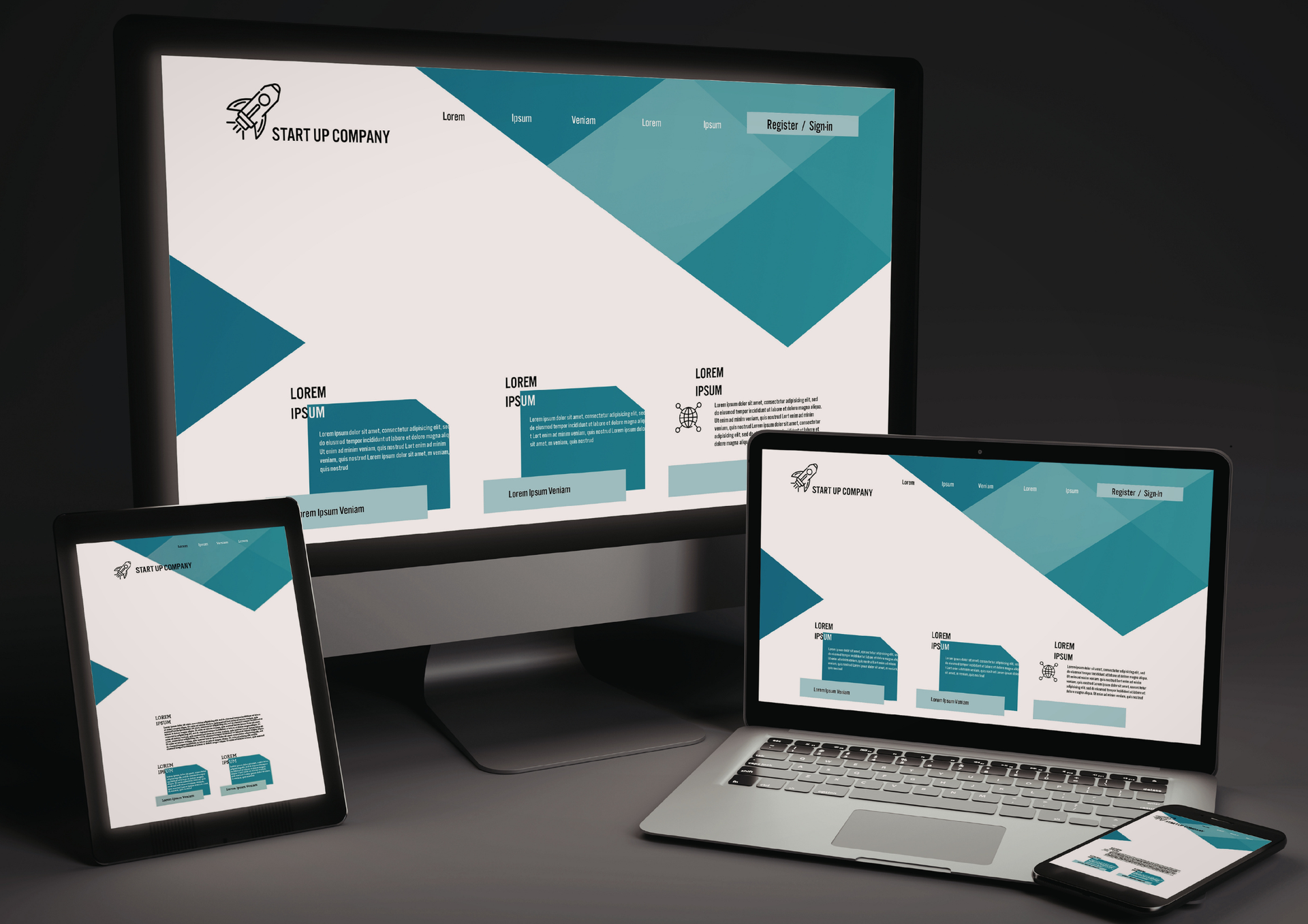
Prioritise User Experience and Mobile Performance
A visually impressive website is only effective if visitors can use it comfortably. Users should be able to understand what a business offers, locate relevant information, and identify their next step without unnecessary effort.
Navigation is central to this experience. Main menus should focus on important pages rather than presenting visitors with too many choices. Services, products, contact information, and other core areas should be organised logically, with labels that customers immediately understand.
Content presentation also matters. Large blocks of uninterrupted text can make pages difficult to scan, particularly on smartphones. Clear headings, manageable paragraphs, useful visual elements, and sufficient spacing help visitors process information more efficiently.
Mobile usability deserves particular attention. Customers increasingly browse, compare businesses, make enquiries, and shop using smartphones. Buttons should therefore be comfortable to tap, menus should work reliably on smaller screens, and important information should remain easy to access without excessive scrolling or zooming.
Performance also influences the experience. Oversized images, unnecessary animations, excessive scripts, or poorly implemented features can increase loading times. Visual creativity should therefore be balanced with practical performance.
Professional website design burnley businesses invest in should consider the complete customer journey rather than concentrating solely on how individual pages look. A website that feels intuitive across different devices is more likely to support meaningful engagement over time.
Accessibility should also form part of this thinking. Appropriate contrast, readable typography, logical page structure, descriptive controls, and straightforward interactions can make content easier to use for a wider audience.
Look Beyond the Initial Price
Price naturally influences business decisions, but comparing website providers solely by the initial quotation can be misleading. Two packages with similar descriptions may differ considerably in quality, flexibility, support, and what is actually included.
Before making a decision, businesses should examine areas such as:
- Project inclusions: Establish which pages, features, integrations, and services are included in the quoted price.
- Customisation: Determine whether the website will be tailored around the business or primarily adapted from a restrictive pre-built template.
- Content responsibilities: Clarify whether the business needs to supply all text and imagery or whether assistance is available.
- Ongoing costs: Understand potential charges relating to hosting, maintenance, licences, subscriptions, updates, or additional functionality.
- Ownership and access: Businesses should understand what access they receive after launch and whether any platform restrictions could affect future changes.
- Future expansion: Consider what would happen if additional products, locations, services, integrations, or functionality were required later.
A lower upfront price may be suitable for a simple project with limited requirements. However, it becomes less economical if the website needs extensive modifications or complete replacement as soon as the business grows.
Value should instead be considered over the expected life of the website. A reliable platform that can be maintained and expanded efficiently may provide a stronger return than an inexpensive solution that creates repeated technical or operational costs.
Businesses should therefore compare what each proposal provides rather than simply choosing the smallest figure. Transparent explanations of costs and limitations make it easier to understand the practical value behind each option.
Consider Scalability, Support, and Long-Term Value
A business website should not be planned exclusively around present-day requirements. Products change, services expand, new marketing opportunities appear, and customer expectations evolve. The platform should be capable of adapting to these changes.
Scalability begins with structure. Professional web design in Burnley should use clear page hierarchies and flexible templates, making it easier to introduce new sections without creating confusing navigation. For a growing retailer, this might involve adding new product categories. A wellness business might introduce additional treatments, practitioners, or booking options, while a homeware brand could expand into new collections.
The technical foundation should also support appropriate integrations. Email marketing platforms, customer management systems, payment services, booking software, analytics tools, and other systems may become important as the organisation develops.
Support after launch is another consideration. Even a well-built website will require occasional updates, maintenance, or adjustments. Businesses should understand what assistance is available and whether support is included, offered separately, or handled through another arrangement.
When choosing web design in Burnley, it is useful to think beyond the launch date. A provider that understands the organisation's direction can create a platform that accommodates future requirements instead of restricting them.
Long-term value also comes from maintainability. Businesses should be able to manage routine content efficiently where appropriate, while more technical changes should be handled without unnecessary disruption. This balance keeps the website useful as operations evolve.
A scalable website does not need every possible feature from day one. Instead, it requires a strong foundation that makes sensible expansion possible when the business genuinely needs it.
ETA Web Design Burnley provides professional website solutions shaped around real business requirements. We take time to understand what a business needs its website to achieve before considering structure, functionality, and presentation.
Our approach focuses on clear communication, practical planning, user-friendly layouts, and scalable foundations. Whether a business needs to strengthen its existing online presence or create a new platform for future growth, we aim to provide a straightforward process and a solution suited to its objectives.
Check out our latest X update on how to choose the best
web design in Burnley for your business!