A business website is often the first place potential customers learn about a company. For homeware brands, health and wellness businesses, and retail organisations in Burnley, a professional online presence plays an important role in building trust, encouraging enquiries, and supporting long-term growth. However, even attractive websites can fail if common design mistakes reduce usability, performance, or credibility.
Effective web design is about far more than appearance. It combines structure, accessibility, performance, and user experience to create a website that serves both visitors and business goals. As digital expectations continue to evolve throughout 2026, businesses should avoid outdated practices that make websites difficult to navigate or maintain.
This article outlines five web design mistakes businesses should avoid.
Prioritising Appearance Over User Experience
Visual appeal is important, but effective web design should never come at the expense of usability. Websites overloaded with animations, oversized graphics, or decorative elements can distract visitors from finding the information they need.
Instead, every page should guide visitors naturally through the content. Clear headings, logical page layouts, and consistent navigation help users understand where they are and what to do next.
Good ui ux design focuses on reducing effort rather than adding unnecessary complexity. Visitors should be able to complete important actions quickly without feeling overwhelmed by excessive visual effects. Businesses that balance attractive presentation with practical usability often achieve better engagement and stronger customer confidence.
Ignoring Mobile Performance
Mobile browsing continues to account for a significant proportion of website traffic. A website that performs well on desktop but poorly on smartphones risks losing valuable enquiries and potential customers.
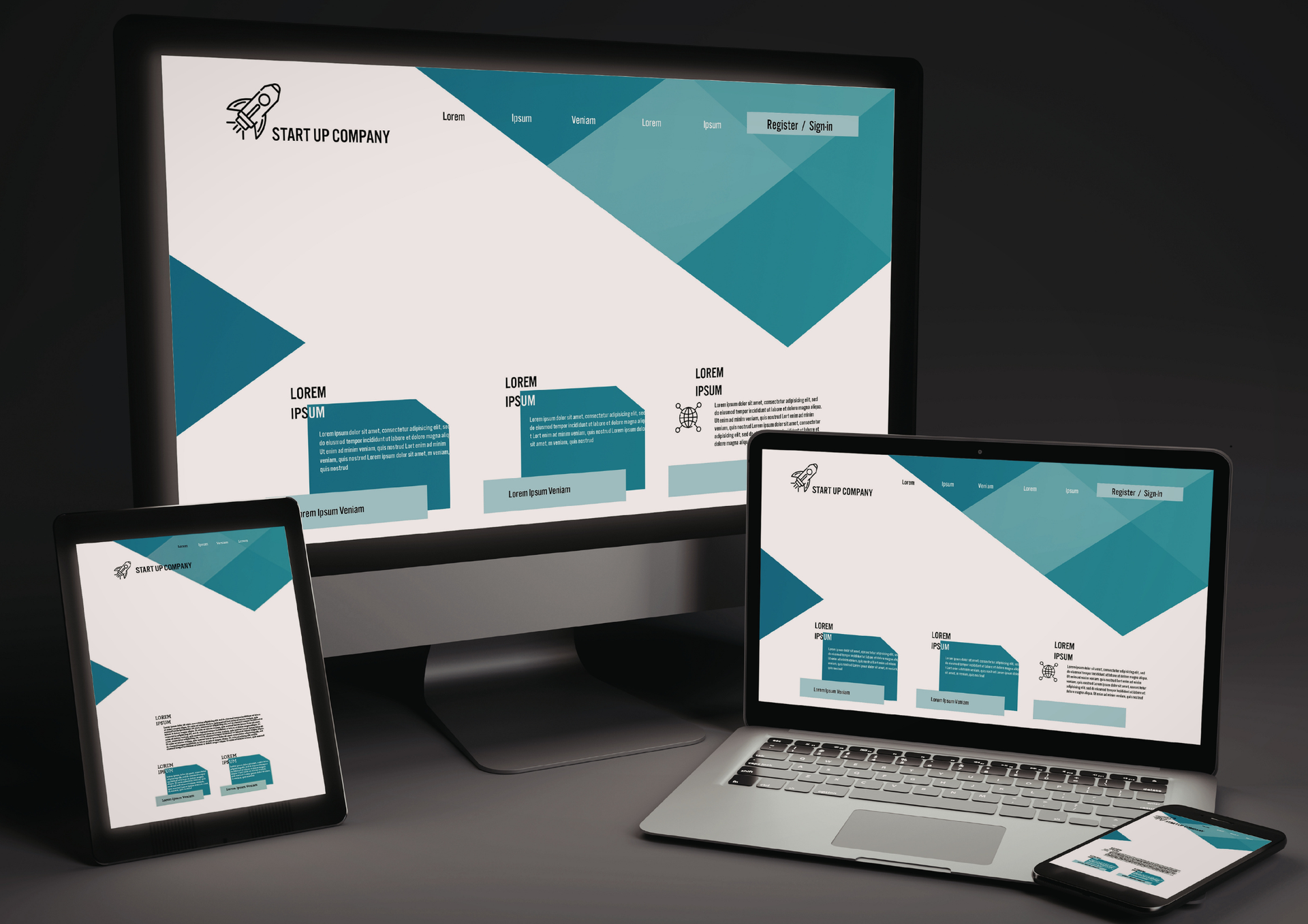
Responsive web design ensures that pages adapt smoothly to different screen sizes. Text should remain readable, navigation should be simple to use, and buttons should be large enough for comfortable touch interaction.
Page speed also plays an important role. Slow-loading pages often lead visitors to leave before they have explored the content, reducing both engagement and conversion opportunities. Businesses should regularly review mobile performance to ensure the experience remains consistent across all devices.
Choosing Short-Term Convenience Over Long-Term Flexibility
Choosing a platform based solely on convenience can create limitations as a business grows. Planning for future expansion from the outset helps avoid unnecessary redevelopment and supports long-term success.
Choosing a Platform
- Many businesses choose platforms that promise quick and easy website creation.
- While convenient, these solutions may become restrictive as business needs evolve.
- Some organisations start with best website builders because they appear cost-effective and simple to manage.
Understanding the Limitations
- Limited customisation can restrict future design changes.
- Scalability may become an issue as new features or services are introduced.
- Advanced functionality often requires migrating to a more flexible platform.
Planning for Future Growth
- Considering long-term requirements from the beginning helps reduce redevelopment costs.
- A scalable website can support additional services, content, and evolving business objectives without major disruption.
Creating Confusing Navigation and Page Structure
Visitors should never struggle to find essential information. Poor navigation creates frustration and often results in users leaving the website before completing an enquiry or purchase.
Menus should remain simple, with clearly labelled sections and logical page hierarchy. Related information should be grouped together, allowing users to move confidently between services, products, or resources.
Thoughtful website development supports clear site architecture behind the scenes, ensuring navigation remains organised even as additional pages are added over time. A well-structured website benefits both users and ongoing management, making future expansion much easier.
Neglecting Ongoing Maintenance and Improvements
A website should be treated as an ongoing business asset. Regular maintenance helps keep it secure, relevant, and effective as customer expectations and business goals evolve.
Routine Website Reviews
- Regular reviews help identify outdated information and broken links.
- Slow-loading pages can be detected and improved before they affect user experience.
- User journeys can be refined to make navigation and engagement more effective.
Monitoring Performance
- Performance monitoring provides insight into how visitors interact with the website.
- Analysing user behaviour helps identify opportunities for continuous improvement.
Seeking Professional Support
- Many businesses search for website designer near me after their website begins underperforming.
- In many cases, regular maintenance could have prevented the issues from developing.
Supporting Long-Term Growth
- Treating a website as an evolving business asset rather than a finished project helps it continue supporting growth, customer engagement, and long-term success.
ETA Web Design Burnley
creates professional websites designed to support long-term business success. We understand that every project should combine attractive presentation with practical functionality, ensuring businesses receive a platform that performs consistently across all devices.
Our approach focuses on strategic planning, scalability, and measurable results. By combining technical expertise with user-focused thinking, we help businesses create reliable websites that remain adaptable as they grow. Whether launching a new business or improving an existing website, we deliver solutions that provide lasting value across Burnley and beyond.
Don't Miss Out on X: Learn the
web design mistakes that can cost your business.