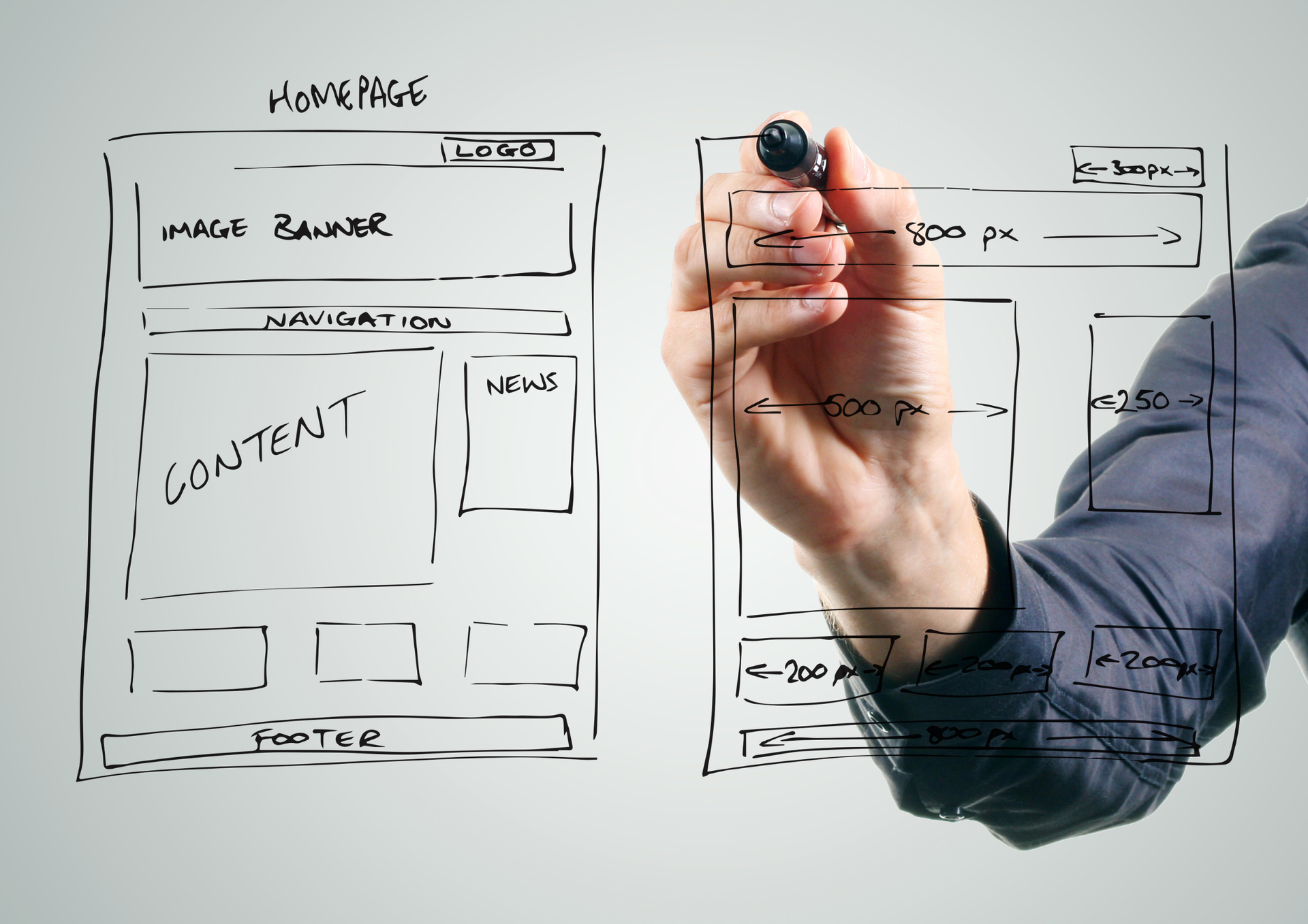
A business website is more than a place to display products, services, and contact information. It often provides the first meaningful interaction a potential customer has with a company. For homeware brands, health and wellness businesses, retailers, and growing entrepreneurs in Burnley, the quality of that experience can influence credibility, enquiries, sales, and future customer relationships.
Professional website development provides the technical and structural foundations needed to create a reliable digital presence. A carefully developed site should be easy to navigate, perform consistently across different devices, and remain flexible enough to accommodate changing business requirements. These qualities become increasingly valuable as an organisation grows and its digital needs become more complex.
Quality should therefore be considered from the earliest planning stages rather than treated as something that can simply be added later. Decisions concerning structure, performance, functionality, content management, and scalability can influence how useful the finished platform remains for years.This article explores five important reasons businesses should prioritise quality when investing in their online presence.
Creating a Better Experience for Visitors
Visitors expect business websites to be straightforward. They want to understand what a company offers, locate relevant information, and decide what to do next without navigating unnecessary obstacles. When these expectations are met, the overall experience feels professional and reassuring.
Clear navigation is fundamental. Menus should contain familiar labels, related pages should be grouped logically, and important information should never be unnecessarily difficult to reach. For a homeware business, customers may want to move naturally between product categories and delivery information. A wellness provider may need clear pathways towards treatments, appointments, or contact details.
Readability is equally important. Dense blocks of text, inconsistent formatting, or crowded layouts can make useful information difficult to absorb. Strong page structures use headings, manageable paragraphs, suitable spacing, and clear visual hierarchy to make content easier to scan.
The experience must also remain consistent across desktops, tablets, and smartphones. A layout that functions perfectly on a large screen may become frustrating if buttons are difficult to tap or content does not adapt correctly on mobile.
A skilled web developer considers these practical details during the build rather than treating usability as a purely visual concern. Technical decisions and user experience are closely connected, and both must work together to create a site that feels dependable.
Good usability can also reduce unnecessary barriers between interest and action. When visitors understand the business and can move naturally towards an enquiry, booking, or purchase, the website becomes a more useful commercial resource.
Supporting Performance, Reliability, and Credibility
A professional-looking site can still create a poor impression if it loads slowly, contains broken elements, or behaves inconsistently. Technical reliability is therefore an important part of how customers perceive a business.
Quality development supports performance by keeping the underlying structure efficient and avoiding unnecessary complexity. Images, scripts, plugins, and interactive elements all need to be managed carefully so they enhance the experience without creating avoidable delays.
Important considerations include:
- Pages should load efficiently across different devices and connection speeds.
- Images and other media should be optimised appropriately rather than uploaded at unnecessarily large sizes.
- Navigation, forms, buttons, and interactive elements should function consistently.
- Broken links and technical errors should be identified before they interfere with important customer journeys.
- Mobile performance should receive the same attention as desktop performance.
- Features should be added because they provide genuine value, rather than simply making the site appear more complex.
- Updates should be managed carefully to reduce the likelihood of conflicts or unexpected problems.
Reliability also supports credibility. Visitors may question a company when forms fail, pages take too long to appear, or important features behave unpredictably. Conversely, a smooth and consistent experience can reinforce the impression that the organisation pays attention to detail.
Businesses searching for website developers near me may understandably focus on visual portfolios, but technical quality deserves equal consideration. A website must continue functioning effectively after its initial launch, not simply look impressive when first presented.
For businesses in competitive markets, this distinction matters. A reliable digital presence can support customer confidence while reducing the operational inconvenience associated with recurring technical problems.
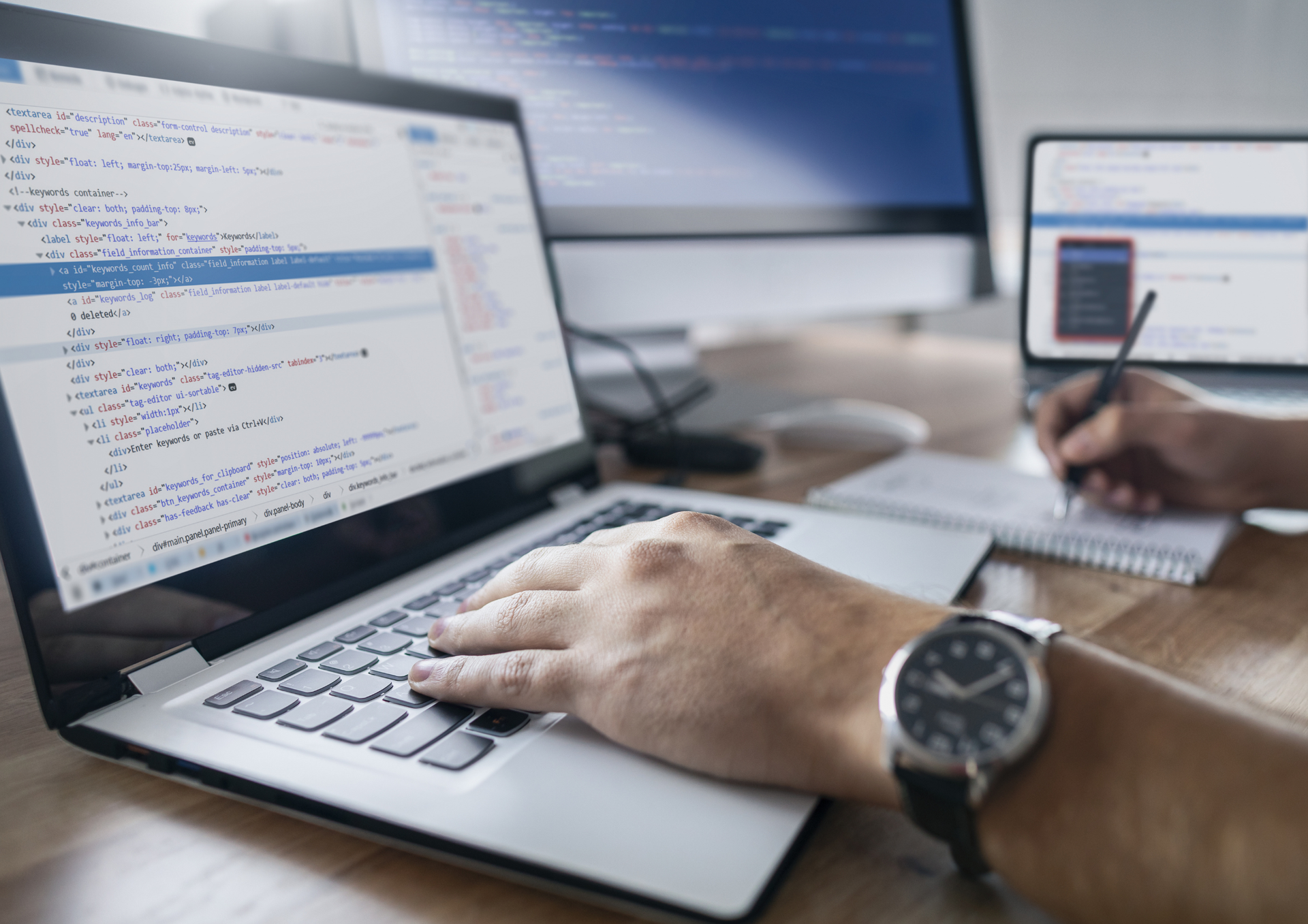
Building a Platform That Can Grow with the Business
Business requirements rarely remain unchanged. A company may introduce new products, expand its service range, enter additional locations, adopt new booking tools, or develop more sophisticated marketing campaigns. Its website should be capable of accommodating these developments without becoming increasingly difficult to manage.
Scalability begins with thoughtful architecture. Pages, categories, navigation, and content types should be structured in a way that makes expansion logical. Adding a new product range, for example, should not require reorganising unrelated parts of the site.
This is particularly relevant to retail and homeware brands, where product catalogues can expand significantly. Health and wellness businesses may similarly introduce practitioners, treatment categories, memberships, resources, or new booking options. Flexible foundations make these changes easier to implement while preserving a consistent user experience.
Content management also plays a role. Businesses should be able to make routine updates without risking unintended changes elsewhere. Clearly defined templates and reusable components can maintain consistency while allowing individual pages to evolve.
A professional website development company will normally consider future requirements during the planning process, even when those requirements are not needed immediately. This does not mean adding unnecessary functionality from the beginning. Instead, it means avoiding decisions that make reasonable future expansion unnecessarily difficult.
Scalability can also protect the original investment. A site that accommodates growth can remain useful for longer, reducing the likelihood that every significant business change requires a complete rebuild.
Strengthening Security and Ongoing Maintainability
A website should not be treated as a finished product that can be launched and forgotten. Technologies change, software receives updates, content evolves, and new requirements emerge. Quality development considers how the platform will be maintained after launch.
Good maintainability starts with organised systems. Clean structures and sensible configuration make it easier to understand how different parts of the website work together. When changes are required, they can be implemented more carefully and efficiently.
Several practices contribute to long-term maintainability:
- Software and platform components should be kept appropriately updated.
- Backups should be created so important content and configurations can be restored if required.
- Access permissions should be managed carefully and limited according to genuine requirements.
- Forms and integrations should be checked periodically to confirm they continue functioning correctly.
- Unused plugins, scripts, or features should be reviewed rather than allowed to accumulate indefinitely.
- Major changes should be tested before they are introduced to the live website.
- Technical documentation can make future maintenance and development more straightforward.
These practices are particularly important for websites that depend on third-party systems. Booking platforms, payment services, stock tools, email marketing systems, and other integrations can change over time. The website needs a structure that allows these connections to be reviewed and adjusted without destabilising unrelated features.
Professional website developers also consider maintainability when implementing new functionality. A complicated solution is not necessarily a better one. In many cases, the strongest approach is the simplest reliable solution that meets current requirements while leaving reasonable room for future changes.For businesses, this can reduce disruption and make ongoing digital management considerably more predictable.
Creating Better Long-Term Business Value
The cheapest way to build a website is not necessarily the most economical over its full lifespan. Initial cost is only one part of the investment. Maintenance requirements, limitations, redevelopment, lost enquiries, and inefficient processes can all affect long-term value.
A poorly structured site may initially appear adequate but become increasingly restrictive as the business grows. Adding new pages might disrupt navigation, integrations may prove difficult to implement, or performance may deteriorate as more functionality is introduced. Correcting these issues later can require significant additional work.
Quality website development takes a longer-term perspective. The aim is to create a dependable platform that supports current goals while remaining adaptable enough to provide continued value as requirements change.
This does not mean every business needs an elaborate or highly complex website. A smaller company may only require a relatively straightforward site. Quality comes from selecting an appropriate solution and implementing it properly, rather than adding features that have no clear purpose.
For businesses in Burnley, long-term value can also come from having a digital platform that supports wider marketing activity. Landing pages can be introduced for campaigns, useful content can be published, enquiries can be captured efficiently, and new services can be promoted without constantly working around structural limitations.
A strong website also creates opportunities for measurement. Businesses can review how visitors interact with pages, identify areas where users encounter difficulties, and make informed improvements over time. This turns the website into an evolving business asset rather than a static online brochure.
Long-term return ultimately depends on whether the site continues supporting real objectives. Reliability, scalability, usability, and maintainability all contribute to that outcome.
Quality matters because a business website has responsibilities extending far beyond appearance. It needs to provide visitors with a clear experience, function reliably across devices, accommodate future growth, remain manageable over time, and support wider commercial objectives.
For homeware brands, health and wellness businesses, retailers, and entrepreneurs, investing in strong digital foundations can prevent many of the limitations associated with rushed or poorly planned builds. It also gives the business greater flexibility when products, services, customer expectations, or operational requirements change.
Rather than judging a website solely by how it looks on launch day, businesses should consider how effectively it can continue performing months and years afterwards. A well-planned platform provides the stability and flexibility needed to support that longer-term perspective.
ETA Web Design Burnley provides professional solutions for businesses seeking a clear, scalable, and practical approach to their online presence. We take the time to understand what each organisation needs from its website before determining an appropriate structure and functionality.
Our website development approach focuses on creating platforms that are straightforward for visitors to use and manageable for businesses as their requirements evolve. From initial planning through to performance, responsiveness, and future flexibility, each decision is considered in relation to genuine business goals rather than unnecessary complexity.
For businesses in Burnley and beyond, we aim to provide a professional approach built around clear communication, practical solutions, and long-term value. The result is a digital platform designed not only for launch, but for continued use as the organisation grows.
Check out our latest X update on why quality
website development is important for your business and how it can support a stronger, more effective online presence!