A website may look professional at first glance, but if visitors struggle to find information or move through pages easily, valuable opportunities can be lost. Clear navigation and smooth user flow are essential for keeping users engaged and guiding them towards meaningful action.
For homeware brands, health and wellness businesses, and retail companies in Burnley, improving usability can lead to stronger enquiries, better engagement, and higher long-term value. Effective website design focuses on how people actually use a website rather than how the business assumes they will use it.
This article outlines five fixes to improve navigation, reduce friction, and boost usability.
Simplifying Main Navigation Menus
One of the most common problems in website design is an overcrowded navigation menu. Too many links can create confusion and make it harder for visitors to know where to click next.
Simplifying the main menu by prioritising the most important pages improves clarity. Grouping related services or categories under logical headings also helps users find what they need faster. Businesses searching for a website designer near me often do so after recognising that unclear navigation is affecting user engagement.
Creating Clear Page Hierarchy
Visitors should immediately understand the structure of each page. Clear headings, logical content sections, and visible calls to action help users scan information quickly.
When pages lack hierarchy, users may feel overwhelmed or miss important details. Strong structure guides attention naturally from introduction through to the next step. Some businesses experiment with
best website builders, but regardless of platform, clear page hierarchy remains essential for usability.
Improving Internal Linking Between Relevant Pages
User flow improves when visitors can move naturally between related content. Internal links help connect service pages, product categories, blog posts, and supporting resources.
Rather than forcing users to return to the main menu repeatedly, relevant links within content keep momentum moving forward. This encourages deeper engagement and longer sessions. Working with a website design company can help ensure internal linking is planned strategically rather than added randomly.
Reducing Friction in Key Actions
Navigation is not only about menus. It also includes how easily visitors can complete important actions such as making an enquiry, requesting a quote, or purchasing a product.
Shorter forms, clearer buttons, and visible contact options all reduce friction. When users can act without hesitation, conversion rates often improve. Businesses that decide to design a website around user behaviour typically see stronger results than those focused only on appearance.
Optimising for Mobile User Journeys
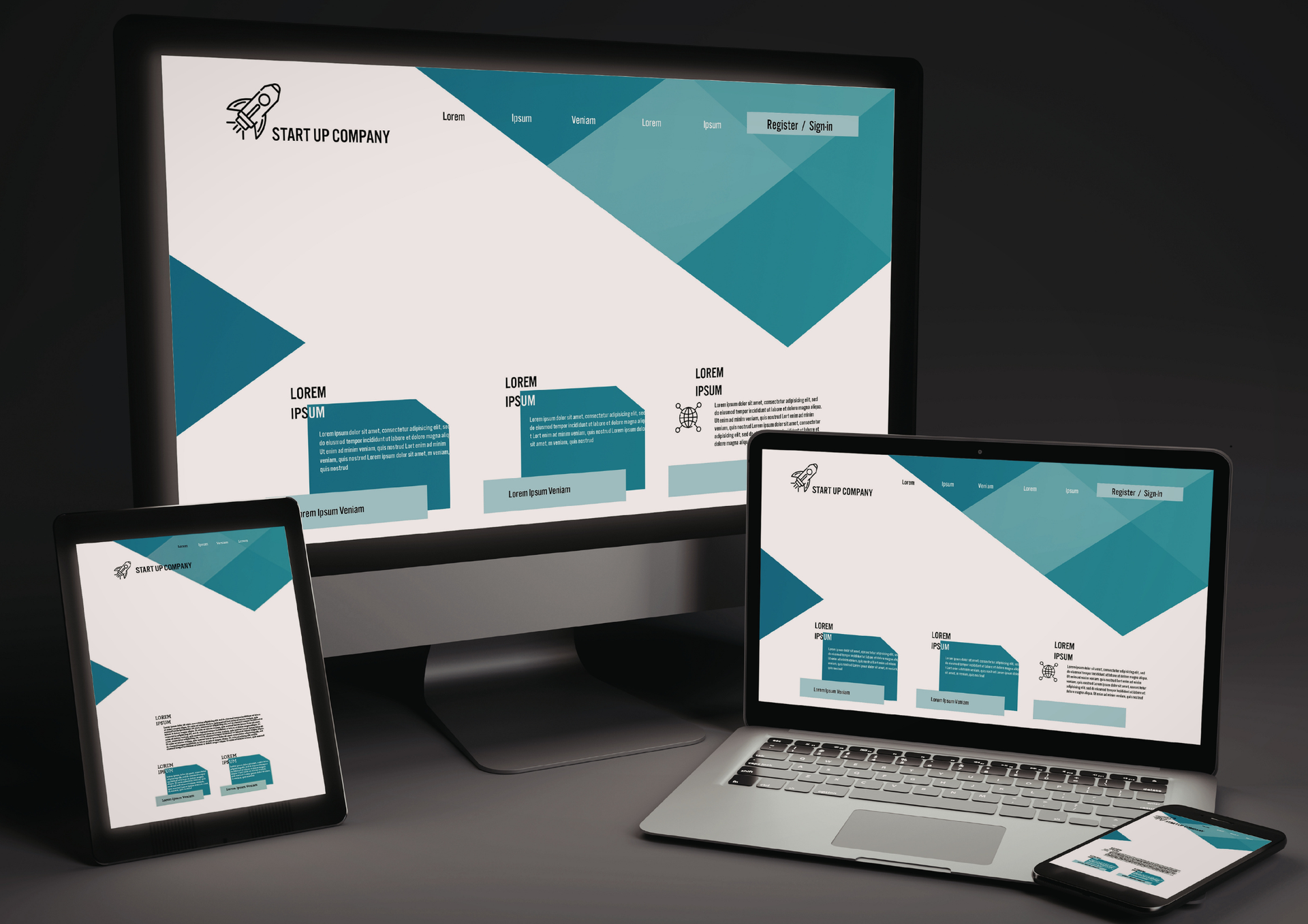
Many visitors now browse on mobile devices, making mobile navigation just as important as desktop usability. Menus should be easy to open, buttons simple to tap, and content easy to scan on smaller screens.
Removing clutter and prioritising essential actions helps mobile users move through the website quickly. A poor mobile journey can cause visitors to leave before taking action. Strategic website design ensures navigation remains clear and effective across all devices.
ETA Web Design Burnley specialises in creating websites built around clarity, usability, and measurable outcomes. We understand that strong navigation is essential for turning visitors into customers.
Our approach combines strategic planning with practical execution, ensuring every website supports smooth user flow, scalability, and long-term performance. By focusing on usability and clear structure, we help businesses in Burnley create websites that deliver consistent results across any location or sector.
Don't Miss Out on X: Smart
website design updates for better user experience!