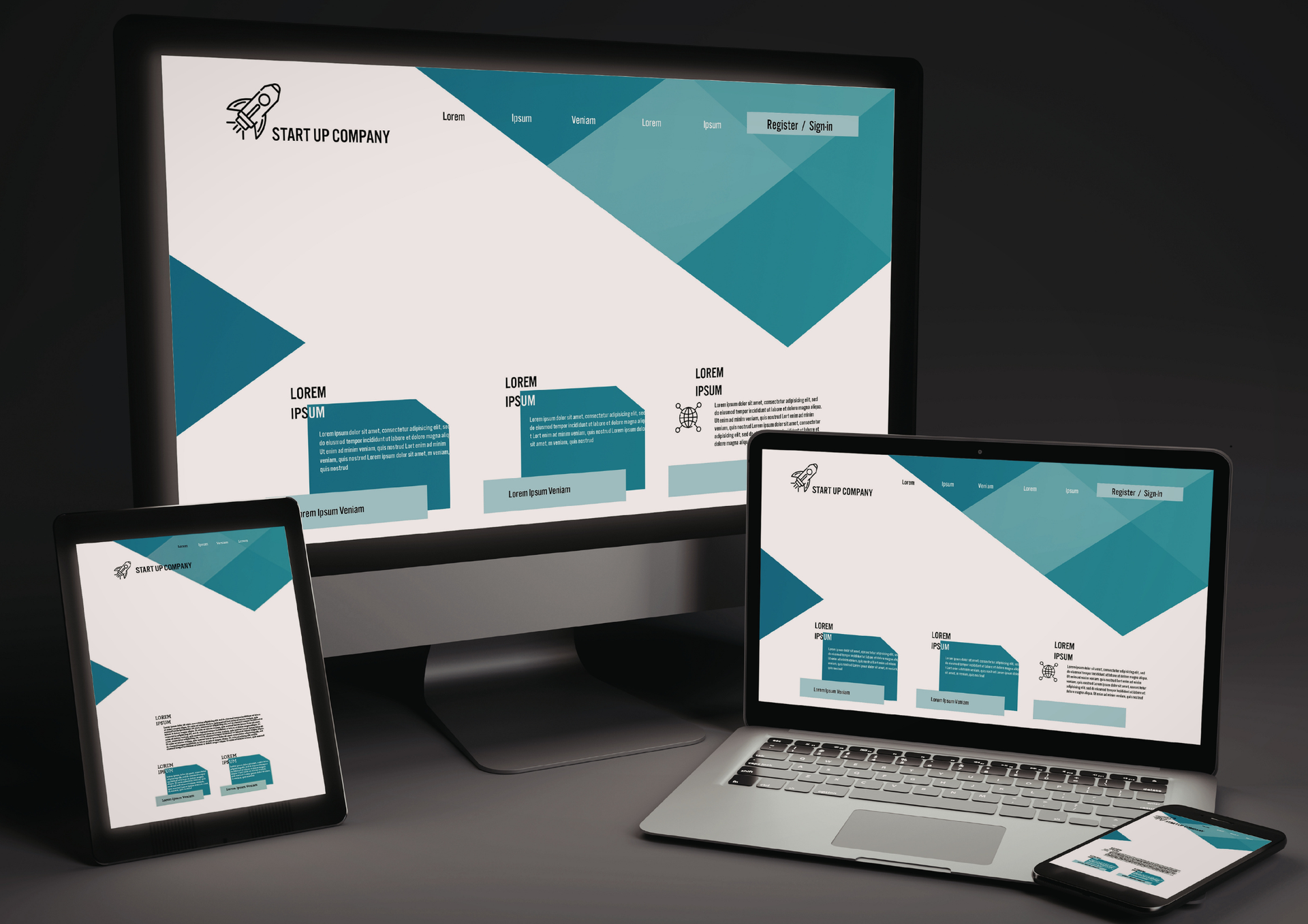
Creating a successful website requires far more than attractive visuals. For many homeware brands, health and wellness businesses, and retail companies, the digital experience is now the centre of customer engagement, product discovery, and brand trust. Yet despite its importance, businesses often fall into avoidable pitfalls that damage performance, reduce conversions, and limit long-term growth. This is where experienced web designers play a crucial role, offering clarity, structure, and proven design principles that prevent costly missteps.
Here, we explore common website mistakes and how professionals prevent them.
Overlooking User Experience and Accessibility
One of the most common mistakes businesses make is failing to consider how users interact with their website. Even brands with strong products or services can lose customers if their digital experience is frustrating, confusing, or slow. Navigation should feel intuitive, pages should load quickly, and information should be easy to find, regardless of device. This is especially vital for homeware brands that rely on visual browsing, retail businesses with large product catalogues, and health and wellness companies that depend on clarity and reassurance.
Good design goes beyond aesthetics — it requires thoughtful structure. Skilled professionals ensure your layout follows best practices for readability, spacing, call-to-action placement, image optimisation, and accessibility guidelines. They also help you avoid clutter, which can overwhelm visitors and reduce engagement. By improving the user journey, businesses create a trusted digital environment that encourages customers to explore, stay longer, and convert.
Ignoring accessibility is another frequent oversight. Websites must cater to all users, including those with visual, mobility, or cognitive impairments. Failure to do so not only alienates visitors but may also affect search rankings. Consistent attention to detail ensures your site remains inclusive, compliant, and user-centred without compromise.
Neglecting Strategic Website Development
Many businesses attempt to create their own site or rely on outdated templates that no longer support modern standards. This often results in slow performance, incompatible features, limited scalability, and security vulnerabilities. This is where strategic website development makes a substantial difference. A professionally developed website is built with long-term sustainability in mind, supporting growth, frequent updates, product changes, and new integrations without technical headaches.
Businesses sometimes assume that the visual design alone determines success, but development controls everything from functionality to speed, security, and mobile responsiveness. Without strong development foundations, pages may break, online forms may fail, checkout processes may struggle, and users may abandon sessions.

Using Generic Tools Instead of Professional Support
Another common mistake is assuming that generic tools or DIY platforms provide the same results as professional guidance. While popular platforms are useful for simple personal projects, business websites require higher standards of performance, branding consistency, and technical reliability. Many businesses searching for a website designer near me discover that strong professional oversight leads to cleaner structure, better usability, and increased conversions.
Even when brands use the best website builders, their site may still lack the strategic planning needed to compete effectively. Templates can restrict creativity, limit functionality, and struggle to handle large inventories or advanced features. Homeware brands with extensive product images, wellness companies that need booking systems, and retail stores with high-traffic demands often outgrow generic solutions quickly.
Working with web designers ensures your site has the flexibility to adapt. Whether you want to introduce new product lines, add content, integrate email marketing tools, or expand internationally, professional support helps avoid limitations that many DIY systems create.
Designing Without Clear Goals or Brand Consistency
A great-looking website is only effective when it’s guided by purpose and aligned with a consistent brand identity. Many businesses overlook these fundamentals, leading to websites that look appealing but fail to deliver meaningful results. Below is a breakdown of the most common issues and how professionals help avoid them:
Key Problems Businesses Face
- Lack of defined objectives:
Many organisations begin to build without clear goals such as boosting conversions, improving product visibility, generating leads, or strengthening customer trust. - Attractive but ineffective design:
A site may look polished but still fail to perform where it matters most if it lacks strategic direction. - Brand inconsistency:
Variations in typography, colour palettes, image style, and tone of voice weaken brand identity and may confuse or deter users. - Negative impact on key sectors:
- Homeware and lifestyle brands rely heavily on visual harmony.
- Wellness businesses depend on a calm, trustworthy, and consistent digital atmosphere.
How Professionals Resolve These Issues
- Unifying design and messaging:
Experts ensure every element — visual, written, and structural — works together cohesively. - Aligning website elements with business values:
Professional designers help create a digital identity that reflects long-term goals and supports customer engagement. - Strengthening brand recognition and trust:
A consistent, well-structured approach makes the brand feel more reliable and memorable. - Bridging creativity with strategy:
Professionals guide businesses through the tools needed to build website structures that lead to measurable outcomes, not disconnected visuals.
Forgetting About Long-Term Maintenance and Scalability
A website is never a one-time project. It requires ongoing updates, technical checks, content refreshes, and performance monitoring. Many businesses, especially in the retail and homeware sectors, struggle because they underestimate the importance of maintenance after launch. Outdated plugins, broken links, slow-loading images, and abandoned pages can quickly harm both user satisfaction and search visibility.
Scalability is equally important. As your business grows, your digital platform must grow with it — more products, expanded pages, new service offerings, or global customers. Without planning for scalability, businesses often face expensive rebuilds or performance issues later.
This is where knowledgeable web designers provide long-term value. They help create flexible, future-proof websites that can easily incorporate new functionalities, accommodate higher traffic, and stay technically up to date. Their guidance saves businesses time, reduces operational stress, and ensures digital stability as they expand..
ETA Web Design Burnley delivers professional, reliable, and forward-thinking solutions tailored to businesses of all sizes. We focus on scalability, clarity, and long-term digital stability, ensuring your website remains fast, user-friendly, and aligned with your brand’s unique goals. Our approach is built on transparency, technical expertise, and a commitment to helping businesses thrive online. Whether you're building a new site or improving an existing one, we offer the guidance and support you need to create a strong and confident online presence.
Just out on X: Avoid common website errors with help from professional
Web Designers!